What is your mother’s favorite drink? The hospice nurse asks me this over the phone. She doesn’t know that I call my mother my “birth” mother, that I was her second child birthed but not raised, given up for adoption when I was an infant. “Mother” without the extra qualifier feels too close. The nurse wants to know her favorite drink so she can swab it on a Q-tip along her lips—they do this for the dying, those who cannot speak or eat. Suddenly charged with end-of-life decisions in the absence of other kin, my brother and I—strangers to her—must answer questions like these. Questions that remind us how we don’t know intimate details of her life or desires. We must imagine, deduce, guess.
It was coffee, maybe black, maybe with sugar, that she drank at the diner that day I met her. It was not our first meeting, really, but who remembers their own birth? As we waited for the server to bring our order, I looked over her shoulder out the window, at the brick building she lived in with its smell of bleach and microwaved food, a residential home for those who need assistance living with mental illness. She had friends there, a life, separate from me. She took a few sips from the white mug when our drinks arrived. Then she asked me for cash. I did not know how to answer or what to do. I forgot how to swallow.
Years later, my husband and I visited her in Illinois from our home in Pennsylvania, signed her out of the facility, and brought her to a Chinese buffet for lunch. She ordered Pepsi or Coke, and now I wonder if maybe one of them was her favorite. She probably called it “pop” like I did growing up in the Midwest. She was diabetic and in a wheelchair, and we knew she shouldn’t drink the sweetened stuff. We worried her blood sugar would spike and she’d feel ill later. The air-conditioning and lack of windows jarred our sense of time as we wondered what to do. Suddenly, she laughed, and the sound startled, like a bird suddenly having flown indoors. Then I thought, who were we to deny her this sweet, dark shot? The medical staff would care for her. Soon we could drive back to our lives and quiet our thirst.
Maybe she liked tea or lemonade, or better yet the two together. When I worked at a restaurant during college, around the time when I first uncovered adoption records and found my birth mother, I learned how to make the best Arnold Palmer: First fill the glass with ice, then add lemonade to two-thirds full, then pour in tea—very gently—so that the brown liquid rests on top of the yellow, which is slightly denser and can resist the tea’s seepage if it’s not jostled too much. When I delivered the drink to guests, I would hold it up to the light for them to see the perfectly separated colors like the horizon dividing land from sky. Once I imagined placing an Arnold Palmer in front of my birth mother. She would have smiled, I think, maybe laughed.
Months before the nurse called to ask about her favorite drink, before she had been moved to hospice, I visited my birth mother in the nursing home. She’d suffered a stroke, which precipitated life support. Although her eyes were open, they did not register. She could not talk or smile or laugh or drink on her own. I wondered, Is she there? Can she recognize me, or anyone? A tube in her throat inflated her chest up and down, reminding me of my own silent breath. A feeding tube and IV kept her nourished, hydrated, and medicated. Her body in the hospital bed curled, fetal. Her hands were soft to my touch.
Of course, she probably enjoyed many different types of drinks throughout her seventy years of life, drinks of varied hues and flavors. Maybe, like me, she liked to mix it up, growing bored with too much of the same. Maybe there were days when only water would do.
My brother and I finally decided to remove her life support machines after four years without progress and initiate hospice. He and I both hated the weight of responsibility, of needing to make decisions of such consequence. He kept hoping she’d wake up and they could start over.
Now, off the machines, she breathes on her own, and her oxygen level slowly decreases with each hour. The nurse calls often, assures us that our mother does not feel hungry or thirsty, that the body sheds those desires when it nears the end. I never confess that I don’t know my mother’s favorite drink, what small joy she might be able to taste as all else fades.
Pepsi, I say finally. From the fountain.

Liberty Ferda
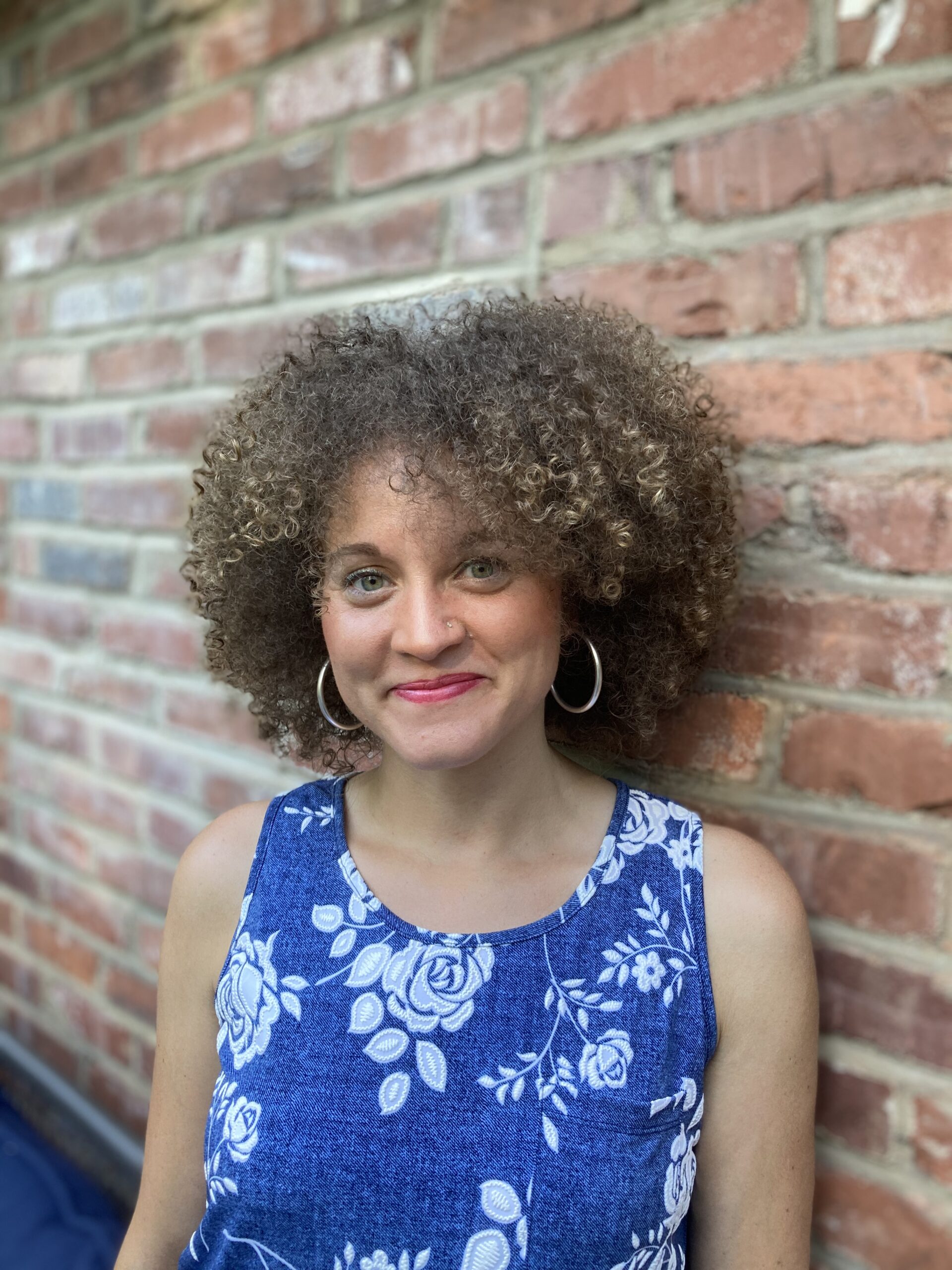
Liberty Ferda is originally from rural Illinois and is now based in Pittsburgh, where she writes creative nonfiction, poetry, and narrative journalism, often exploring topics related to race, adoption, and grief. She also teaches writing at the University of Pittsburgh, where she earned an MFA in 2010.