The first time I saw my father putting down roots, I thought it was just another of his eccentricities. He’d been acting strangely for years—forgetting names, hiding crumpled bills in coat pockets, staring off into the horizon with his mouth slightly open.
He had always been honest, generous to a fault, burdened by guilt and bound by duty. But now it was as if he’d surrendered to a different kind of dementia, one that felt oddly botanical.
“We’re doing this now?” I teased as I helped him to his feet. “What is it, are you turning into an ash tree?”
He said nothing. As I settled him back into his chair, I noticed his ankles—hard, swollen knots pushing through the skin like the beginnings of roots.
“We should call someone,” my sister Paulina said. “This isn’t normal.”
I shrugged it off with a smile, the kind I kept on hand for pretending everything was fine.
“Don’t be dramatic. It’s just old-man stuff. They get bored, invent rituals.”
My father turned and looked at me, and though he didn’t speak, I had the sense he’d heard it all. There was something in his eyes—worn, quiet, accusatory. He hadn’t said a word since our mother died, just drifted deeper into his own silence. And I’d done little to meet him there, too caught up in my own messes—questionable business, unpaid debts, lovers I never loved. He never asked, never scolded. But his silence was damning: a mirror I couldn’t bear, a quiet witness to all I was, and everything I wasn’t.
One afternoon, I found him standing motionless on the balcony, arms lifted and outstretched, as if trying to touch the sky. I didn’t know how long he’d been like that. There was a strange solemnity to it—something reverent, almost holy.
“Dad? What are you doing?”
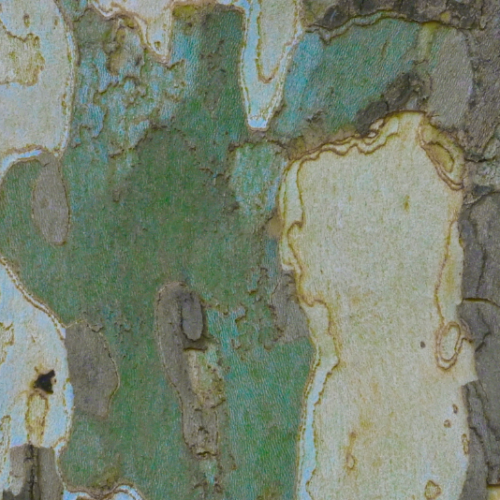
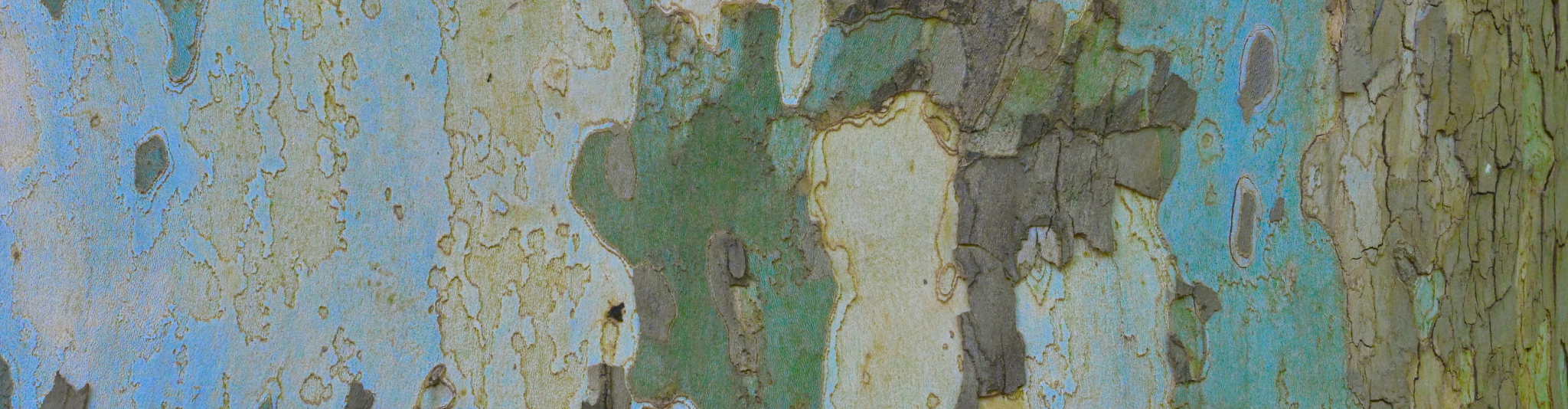
He didn’t answer, but I saw a faint, satisfied smile on his face. Tiny green shoots had begun to unfurl from his fingertips. His breathing had slowed until it resembled wind in branches. I closed my eyes, refusing to believe what I saw.
I reached for him, tried to pull him away—his feet had taken hold beneath the tiles, fixed in place like something out of myth. Paulina came once and wiped the dust from his eyes with a wet cloth. She didn’t speak either. But the look she gave him—not pity, something closer to awe—made me feel small.
“Cut it out,” I said, pressing my fingers to his chest. The bark forming there was thin, delicate. “Is this what you want? Attention? Pity, maybe?”
He said nothing. His eyes shimmered, dark and wet, with the deep serenity of someone who has finally made peace with what he always feared.
“If you don’t want to live anymore, just say so,” I snapped. “Stop the act.”
But it wasn’t an act. My father had become something else, something vegetal. A tree, stubborn and rooted in a world he no longer understood, while I was still flailing in the mud. I hated him for that dignity of his. For the grace, the calm, the slow unfurling beauty.
Days passed. He grew, little by little, sending branches outward like open hands, searching for light. I could hardly look at him anymore. My visits became increasingly strained—short, awkward, tense. I’d stand there, watching the leaves fill out, feeling bitter and empty, sick with envy at that serene body in bloom.
Then the city stepped in. Men from the Department of Parks and Gardens came with papers and permits. They declared him a marvel, a miracle, a public treasure. My father, the attraction. A sudden burst of beauty in the middle of our dry, indifferent city.
“Quite the marvel, your father,” they said. “A true symbol of resilience.”
I hated them too. The tourists, the cameras, the headlines. I hated how the world praised the magnificent tree, the beauty he had grown simply by existing, by doing nothing at all.
One evening, I visited him for the last time. His leaves swayed gently in the wind, and I thought I heard my mother’s voice in their whisper. I sat down at his feet, small and defeated.
“You always had to be the good one,” I whispered. “Better than me. Nobler. You couldn’t even grow old like everyone else, you had to become this, graceful, dignified. Even at the end.”
The leaves rustled, softly, and I knew he was listening.
He didn’t reach for me. He didn’t wrap his branches around me or whisper words of forgiveness. He simply remained—intact and silent, beautiful and stubbornly alive.
Before I left, I placed a hand on the trunk. The bark was warm beneath my fingers. And for the first time, with a painful and final clarity, I understood: he had never been in the way.

Gustavo Vázquez-Lozano
Gustavo Vázquez-Lozano is a writer from Mexico whose work spans historical fiction and short stories. He is the recipient of Mexico's National Historical Novel Award, and the Eraclio Zepeda National Short Story Prize. He is the author of 60 Years of Solitude: The Life of Empress Charlotte of Mexico.