This is a poem on hierarchy. Or history. Or anoles,
live ones, four-fingered feet spread as if braced
for impact. Or anoles, dead ones,
flattened like bloody bookmarks
on sidewalks. To creep upon the earth means
to be ruled over—but once there was a soldier
by the name of Washington, bed-ridden
with hemorrhoids and dysentery
who still made it to the battlefield, privately
shitting himself under cover of wagon. This to say
man stands closer to god than he ever
thought he could. Sometimes
on my back in the half-dark
I look up into a pair of eyes and let me tell you
that what or who I see there I’ve seen
looking back through the dim flecked light
of the fairground swine building.
Or I’m in bed counting moles
on a man’s back and some moles are large, and—
forgive me—spattered like the bullet holes
in the basement wall of the Ipatiev House.
So take the Romanovs—born inside a palace,
shot to death underground. God, give me all of Time
and I’ll still be here, counting things and losing track—
the small sick kings, blue-ribbon pigs, anoles
squashed into their own grave markers.
There is no difference in what I look for
and what I find everywhere—the bloom
that maintains its cerise color through the frosts
of November, the look of the hog’s eye
as he’s paraded on pine shavings
with the show pig whip, the nation’s first president
on his umpteenth and final death bed
bled by his doctors and choking on his own flesh.
Though it occurs to me that You know not, Yourself,
what You do. That You created and looked back and only then
did You see that it was good. Here I am,
creeping on my belly toward the watery ripple of purpose
at the edge of the earth—and isn’t it funny, Father,
all the ways I take after You?
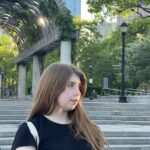
Ella Q. Peavler
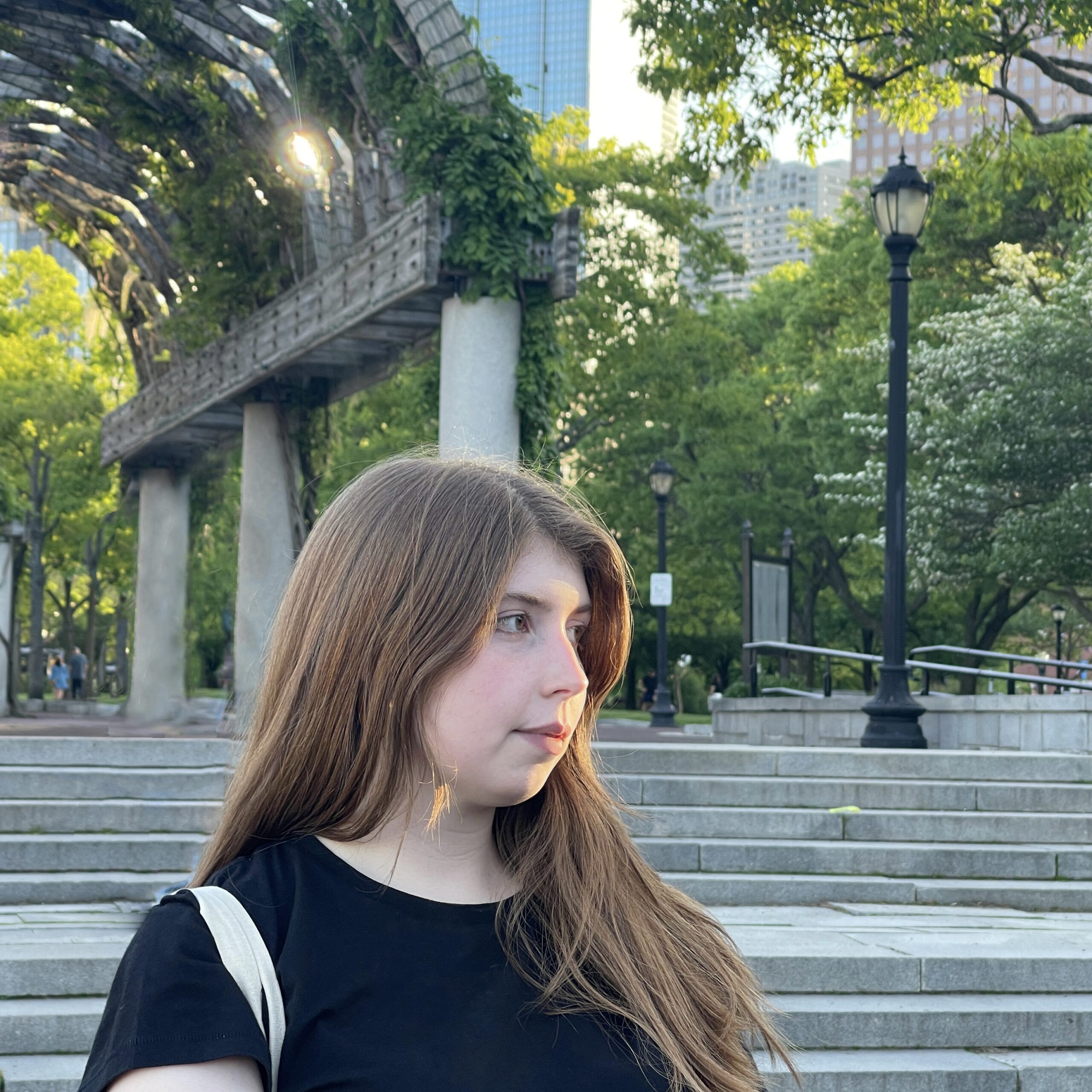
Ella Q. Peavler is a poet from Indianapolis, Indiana. She is currently pursuing her MFA in Creative Writing at Syracuse University, and earned her B.S. in Journalism from Emerson College, where she received the Academy of American Poets Prize. Her approach to poetry is closely tied with her background as a journalist, and her work explores questions of religion, historical and personal memory, womanhood, and the relationship between poetry and truth.